Plastic vs. Stainless Steel Food Storage: Which One Should You Choose?
Stainless Steel vs. Plastic Food Storage: Which One Should You Choose?
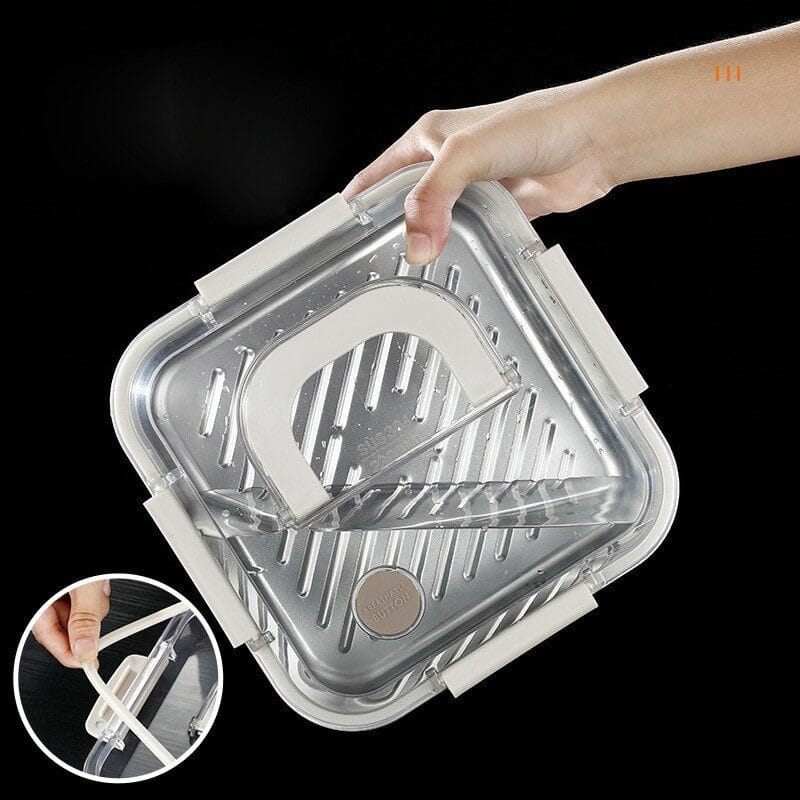
Table of Contents
Quick Summary
Plastic containers may be cheap and convenient, but stainless steel food storage is the smarter choice for health, durability, and sustainability. Stainless steel food storage resists rust, keeps food fresh without harmful chemicals, and lasts for years, making it a better long-term investment for families, students, and eco-conscious individuals.
Key Takeaways
- Stainless steel lunch boxes are more durable, safe, and eco-friendly than plastic.
- Plastic containers are inexpensive but may leach chemicals and degrade quickly.
- Over time, stainless steel saves money by reducing replacements.
- Eco-conscious consumers prefer stainless steel for sustainability.
- Choosing stainless steel is a long-term investment in health and the planet.
Introduction
Food storage might seem like a small daily choice, but it carries a big impact on your health, wallet, and the environment. Whether you’re packing school lunches, meal-prepping for work, or storing leftovers at home, the type of container you use matters.
The debate often comes down to two common options: plastic vs. stainless steel. Let’s explore both and see which one truly stands the test of time.
Why Food Storage Choices Matter
Food storage isn’t just about convenience — it affects:
- Food safety (Are harmful chemicals leaching into your meals?)
- Freshness (Does your food stay sealed and spill-proof?)
- Environmental footprint (How much waste are you generating?)
- Cost over time (Do you constantly replace broken containers?)
That’s why choosing the right material is more important than it seems.
Plastic Food Storage: Pros and Cons
Advantages of Plastic Containers
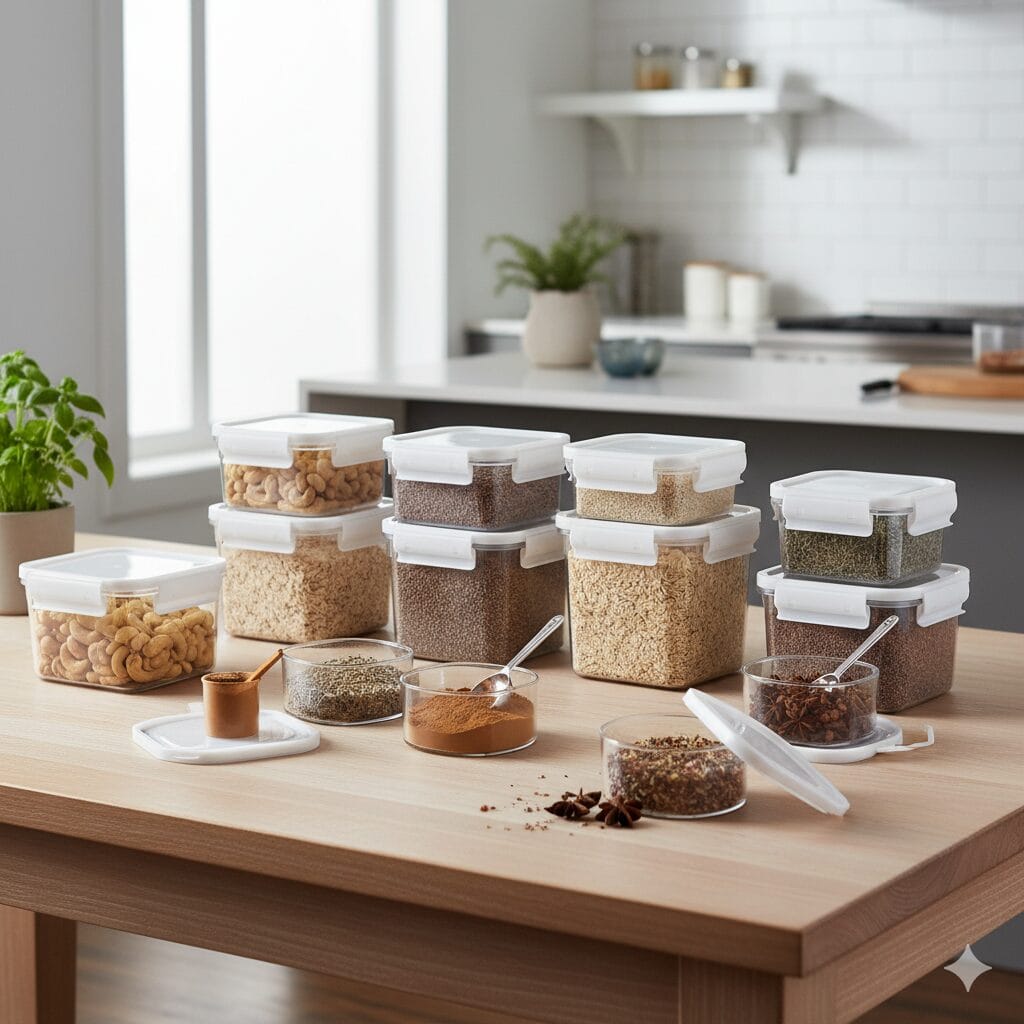
- Affordable – Plastic lunch boxes are cheaper upfront.
- Lightweight – Easy for kids and students to carry.
- Variety – Available in endless shapes, sizes, and colors.
Drawbacks of Plastic Containers
- Chemical leaching – Some plastics release harmful chemicals like BPA or phthalates into food, especially when heated.
- Stains and odors – Tomato sauces, curries, and strong-smelling dishes often leave permanent marks.
- Short lifespan – Plastic cracks, warps, and breaks easily.
- Environmental impact – Plastic waste lingers in landfills for hundreds of years.
Stainless Steel Food Storage: Pros and Cons
Advantages of Stainless Steel Containers
- Durability – Resistant to rust, oxidation, and daily wear.
- Food safety – Made with food-grade material that doesn’t leach chemicals.
- Leakproof options – When paired with silicone seals, soups and curries stay contained.
- Eco-friendly – 100% recyclable and long-lasting.
- Stylish and professional – Sleek design suitable for both work and school.
Drawbacks of Stainless Steel Containers
- Slightly higher cost upfront – But this pays off long term.
- Not microwave-safe – Unlike some plastic containers.
- Can be heavier – Though modern designs are often surprisingly lightweight.
Health Considerations: Is Stainless Steel Safer?
Yes — stainless steel is widely considered safer than plastic. According to research published in Environmental Health Perspectives, chemicals from plastics can migrate into food, potentially disrupting hormones and affecting long-term health. Stainless steel, especially 304 food-grade, is chemically stable and does not react with acidic or spicy foods. This makes it a safer option for storing hot meals, curries, and soups.
Eco-Friendliness: Which Option Wins?
Plastic containers are often discarded after a few uses due to cracking, staining, or warping. This leads to massive plastic waste that pollutes oceans and ecosystems. In contrast, stainless steel is:
- Reusable for years
- 100% recyclable
- A sustainable alternative that aligns with eco-conscious living
If reducing plastic waste matters to you — stainless steel is the clear winner.
Cost Comparison: Short-Term vs. Long-Term Investment
At first glance, plastic seems cheaper. But consider this:
- A $5 plastic lunch box may last a year before breaking.
- A quality stainless steel lunch box, though more expensive upfront, can last 5–10 years or more.
Over time, stainless steel saves you money by reducing replacements while also protecting your health and the planet.
Convenience and Lifestyle Fit
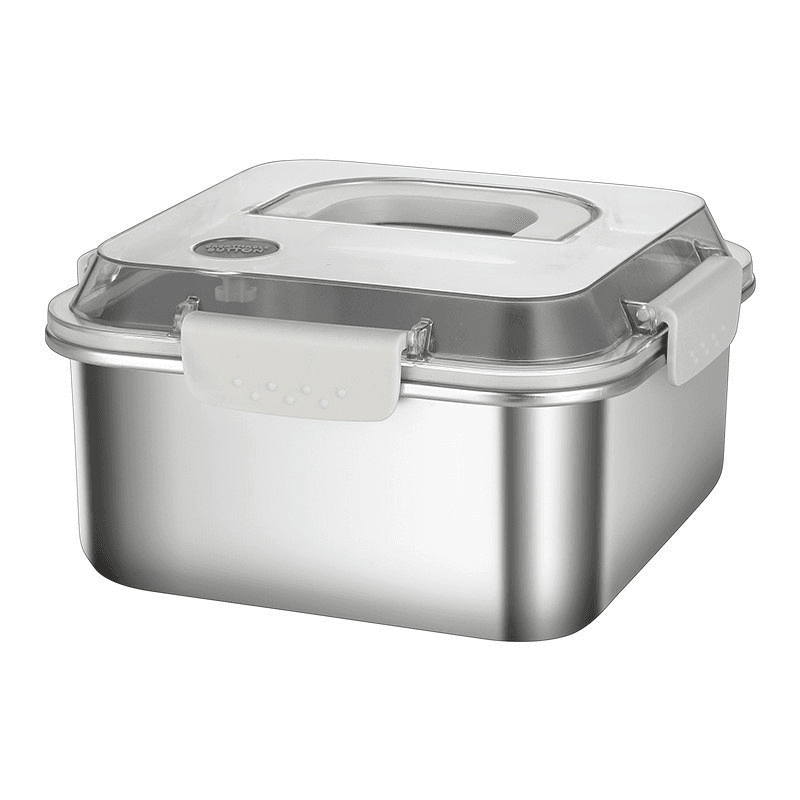
Modern stainless steel containers are designed with practicality in mind:
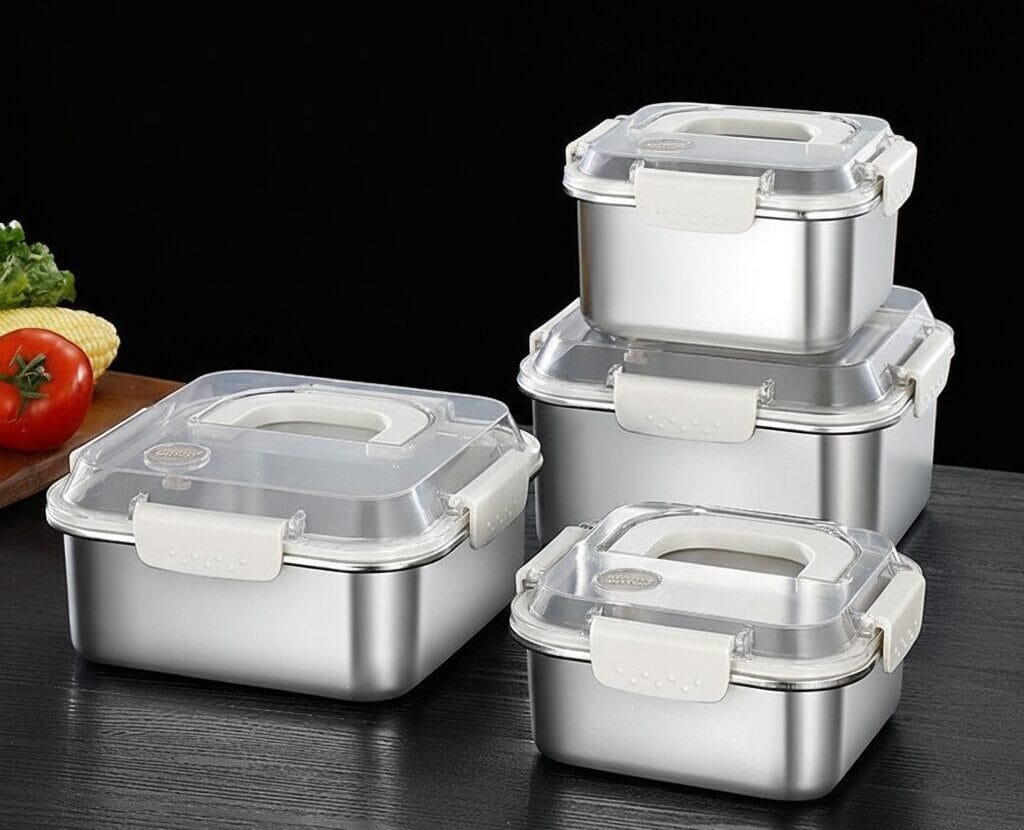
- Variety of sizes – Suitable for snacks, single meals, or family portions.
- Leakproof designs – With silicone seals to prevent spills.
- Portable – Some include foldable handles or stackable features.
- See-through lids – Frost-resistant options let you view food without opening.
Whether you’re a student, parent, or professional, stainless steel adapts to your needs while plastic often falls short.
Fun Fact: Stainless Steel in Space Travel
NASA has used stainless steel in spacecraft construction because of its durability, resistance to corrosion, and ability to handle extreme conditions. If it’s good enough for space travel, it’s definitely tough enough for daily life.
Expert Insight: What Research Says About Food Safety
A study from Harvard T.H. Chan School of Public Health highlights that avoiding plastic food storage reduces exposure to endocrine-disrupting chemicals. Experts recommend switching to stainless steel or glass for safer food storage solutions. This reflects a growing consumer trend toward eco-friendly and health-focused living.
FAQ
Is stainless steel better for food safety?
Yes. Stainless steel is non-toxic, does not leach harmful chemicals, and is resistant to rust and corrosion. Unlike plastic, it remains stable even with hot or acidic foods.
Do stainless steel containers keep food hot or cold?
While stainless steel itself isn’t an insulator, many designs include leakproof lids that help retain temperature longer. For maximum insulation, pair with an insulated lunch bag.
Are stainless steel lunch boxes heavy?
Not really. Modern stainless steel boxes are designed to be portable and lightweight.
Can stainless steel containers go in the fridge or freezer?
Absolutely. Stainless steel is freezer-safe and won’t crack under cold temperatures like some plastics.
How do I clean a stainless steel lunch box?
Stainless steel is easy to clean with warm, soapy water. Most are dishwasher-safe, and unlike plastic, they don’t retain odors or stains.
Conclusion
When it comes to food storage, stainless steel outshines plastic in every major category — health, durability, eco-friendliness, and long-term value. Plastic may be cheap and convenient, but stainless steel is the smarter, safer, and more sustainable choice.
For students, parents, professionals, and eco-conscious families, upgrading to stainless steel isn’t just about buying a container — it’s about making a healthier, smarter lifestyle decision.
Thinking about making the switch? Explore high-quality stainless steel lunch boxes available online and in stores. Your health, wallet, and the environment will thank you.